Tag: History
-
Marrakech’s Islamic Gardens: Water, Peace, and Engineering

Marrakech’s Medina is a vibrant labyrinth, a sensory symphony that can be exhilarating and, at times, overwhelming. But beyond its bustling alleyways lies a sanctuary, a restored historical garden complex that offers a profound sense of peace and a fascinating lesson in ancient engineering: Le Jardin Secret. This hidden gem is a distinguished blend of…
-
Ben Youssef Madrasa: A Masterpiece of Islamic Art in Marrakech
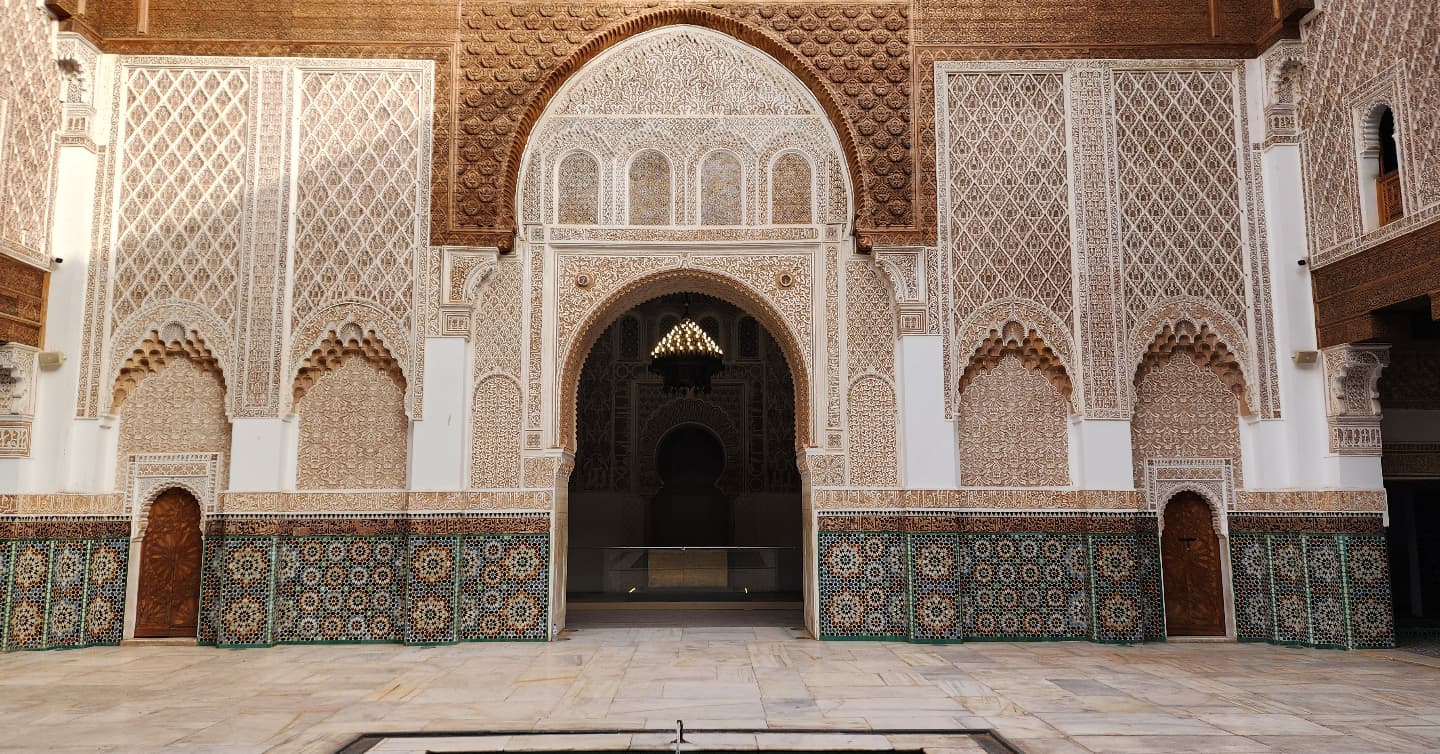
Marrakech’s Ben Youssef Madrasa, a 16th-century Islamic college, exemplifies exquisite Islamic architecture. Commissioned by Saadian Sultan Abdallah al-Ghalib, it housed up to 800 students, fostering learning amid its ornate courtyards and humble student rooms. The madrasa’s intricate tilework and craftsmanship highlight the balance between grandeur and simplicity in the pursuit of knowledge.
-
El Badi Palace: A Glimpse into Marrakech’s Past
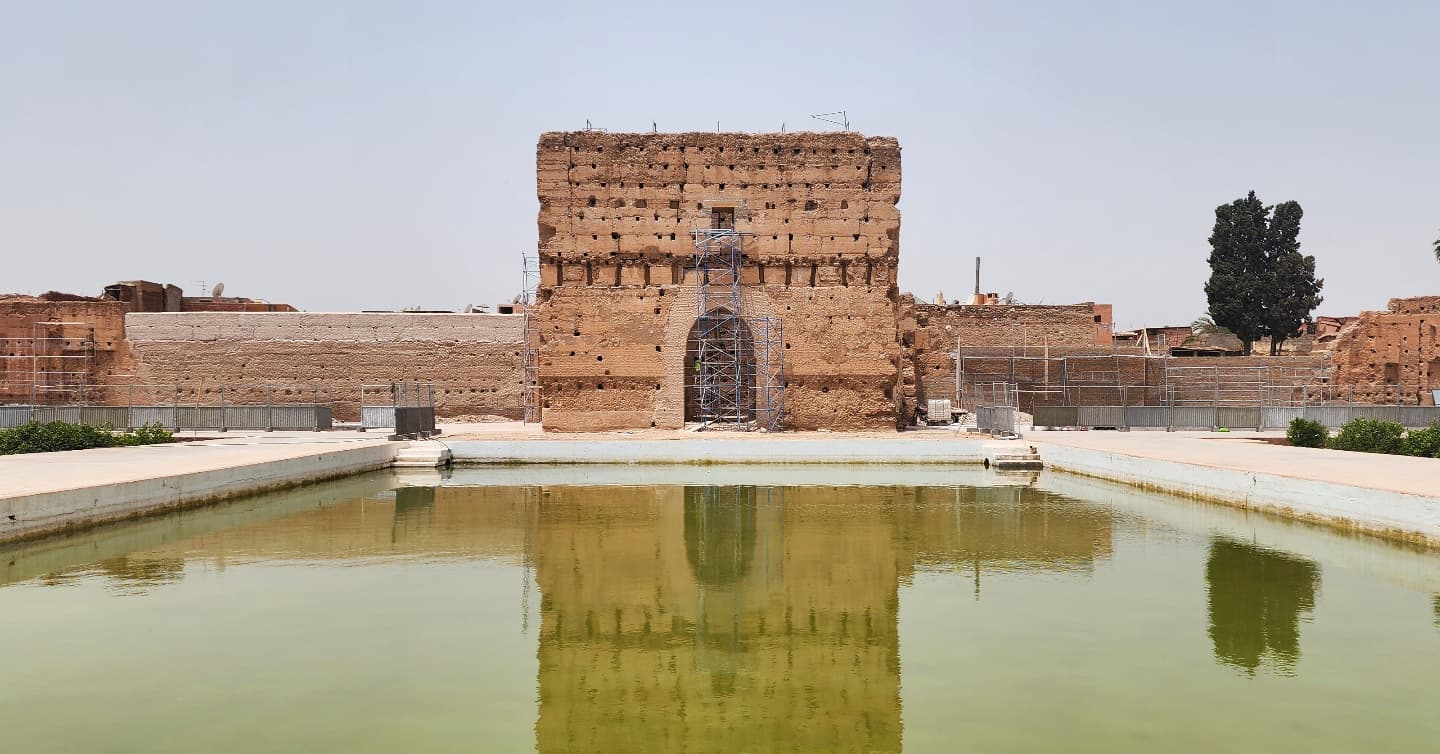
Marrakech’s El Badi Palace, commissioned in 1578 by Sultan Ahmad al-Mansur, showcases the opulence of the Saadian dynasty. Once a grand residence, it fell into decline after being stripped for materials by Sultan Moulay Ismail. Today, it remains an evocative ruin, inspiring visitors with its historical allure and ongoing restoration efforts.
-
Miara Cemetery: Marrakech’s Hidden Jewish Heritage
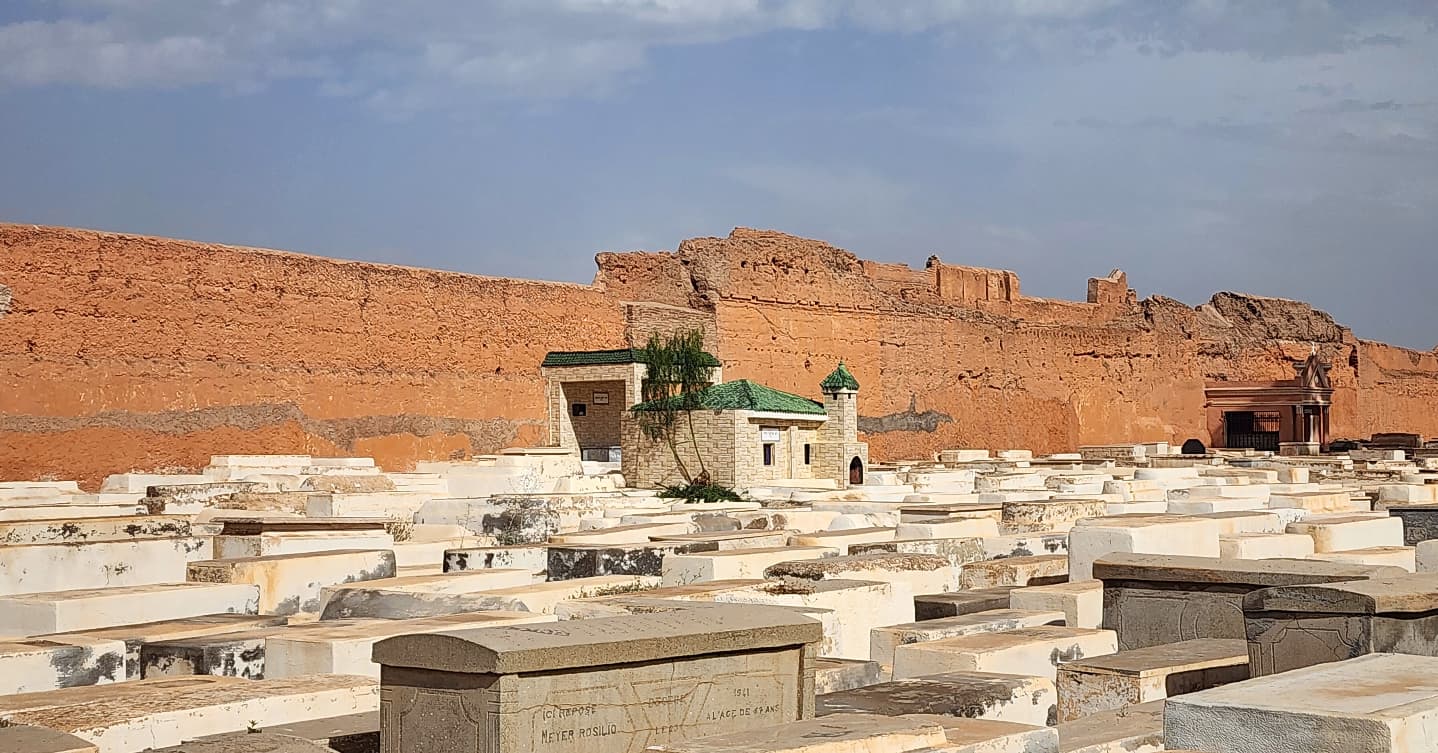
Marrakech’s Miara Cemetery, located in the historic Mellah, is a serene testament to the city’s Jewish heritage. As Morocco’s largest Jewish cemetery, its whitewashed tombs date back to the 16th century, reflecting the enduring community’s history. It serves as a site of remembrance and pilgrimage, honoring a vibrant culture.
-
El Bahia Palace: A Glimpse into Marrakech’s Opulent Past and Enduring Resilience
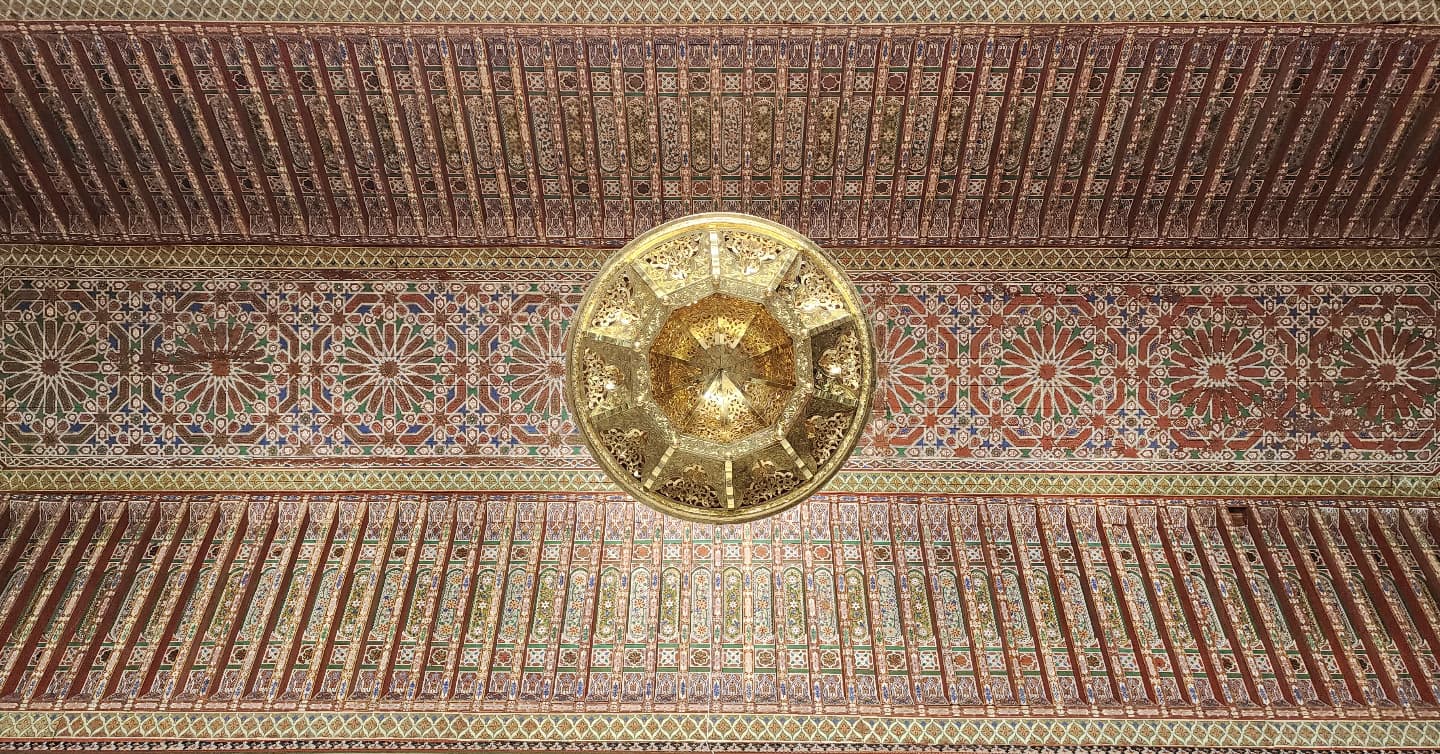
The El Bahia Palace in Marrakech, a 19th-century architectural marvel, showcases intricate Moroccan artistry and history. Initially built in the 1860s, it expanded under Si Musa’s son, the Grand Vizier. Recently impacted by an earthquake, restoration efforts highlight Morocco’s commitment to preserving its cultural heritage and historical significance.
-
Jemaa el-Fnaa: Marrakech’s Vibrant Heart and Soul
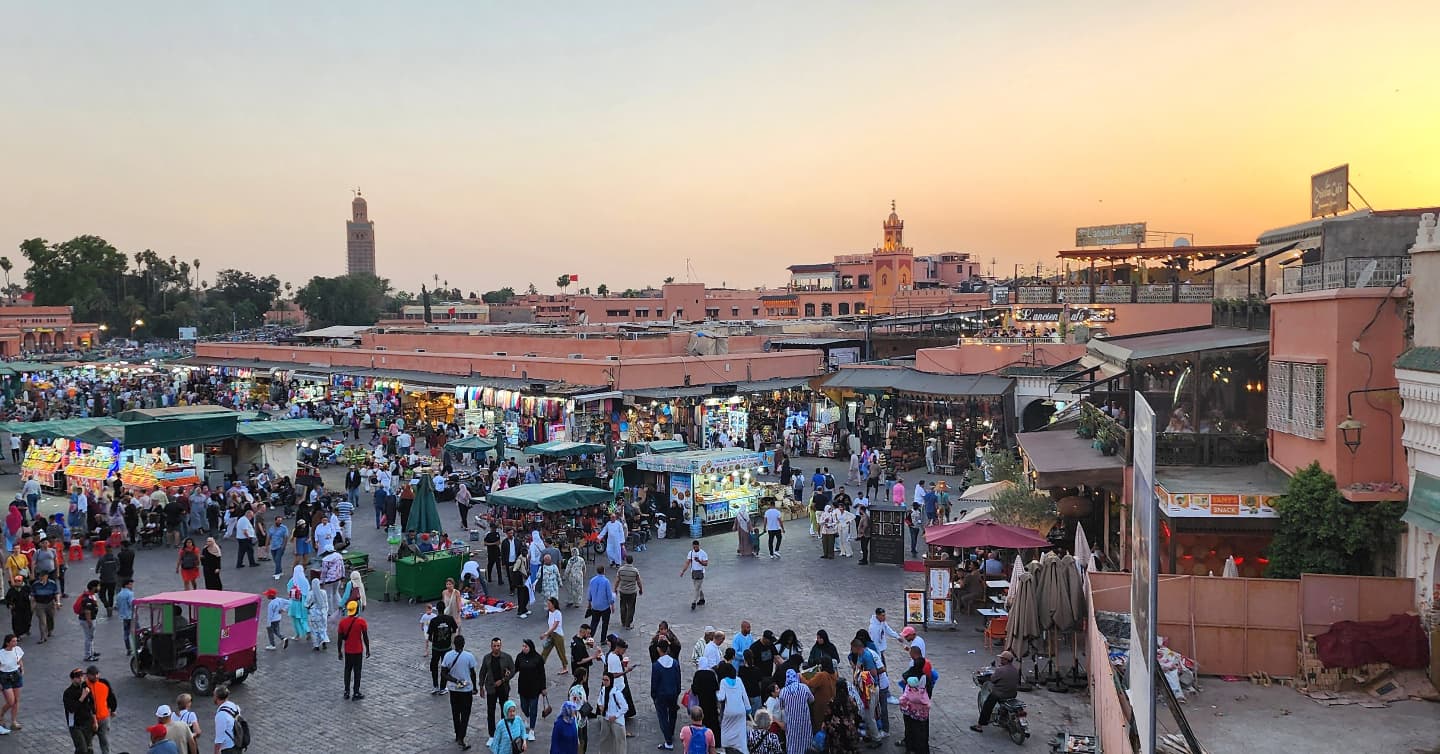
After leaving Madeira, the journey continues in Marrakech, a cherished city rich in history and culture. The bustling Jemaa el-Fnaa square epitomizes the city’s dynamic life, transforming from a marketplace to a nighttime spectacle. Surrounded by red ramparts, Marrakech seamlessly blends ancient traditions with present vibrancy, offering a captivating sensory experience.
-
North Mills Distillery: A Glimpse into Madeira’s Rum Heritage
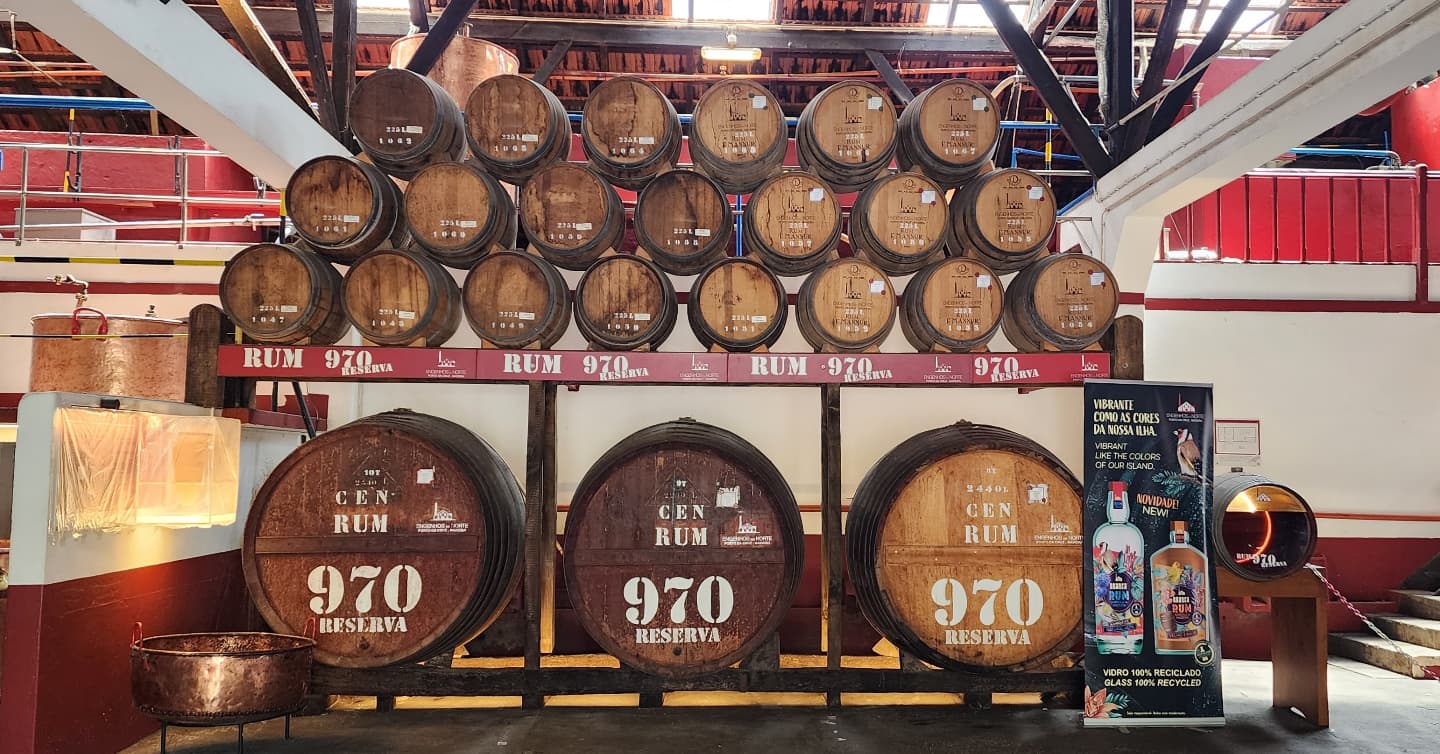
During our exploration of Madeira’s diverse landscapes, we came upon a captivating piece of the island’s industrial heart: the North Mills Distillery (Engenhos do Norte) in Porto da Cruz. This wasn’t just a casual visit; it was a journey back in time, offering a profound glimpse into Madeira’s rich agricultural and industrial heritage. As someone…
-
Funchal: Unveiling Madeira’s Historic Heart

Stepping into Funchal, Madeira’s bustling capital, felt like unwrapping a gift. After the serene beauty of the broader island from the flight in, its charming streets and vibrant atmosphere invited us to slow down and truly explore. As someone who loves to dive deep into a city’s past, Funchal immediately captivated me with its layers…
-
A Journey through Windhoek: History and Highlights
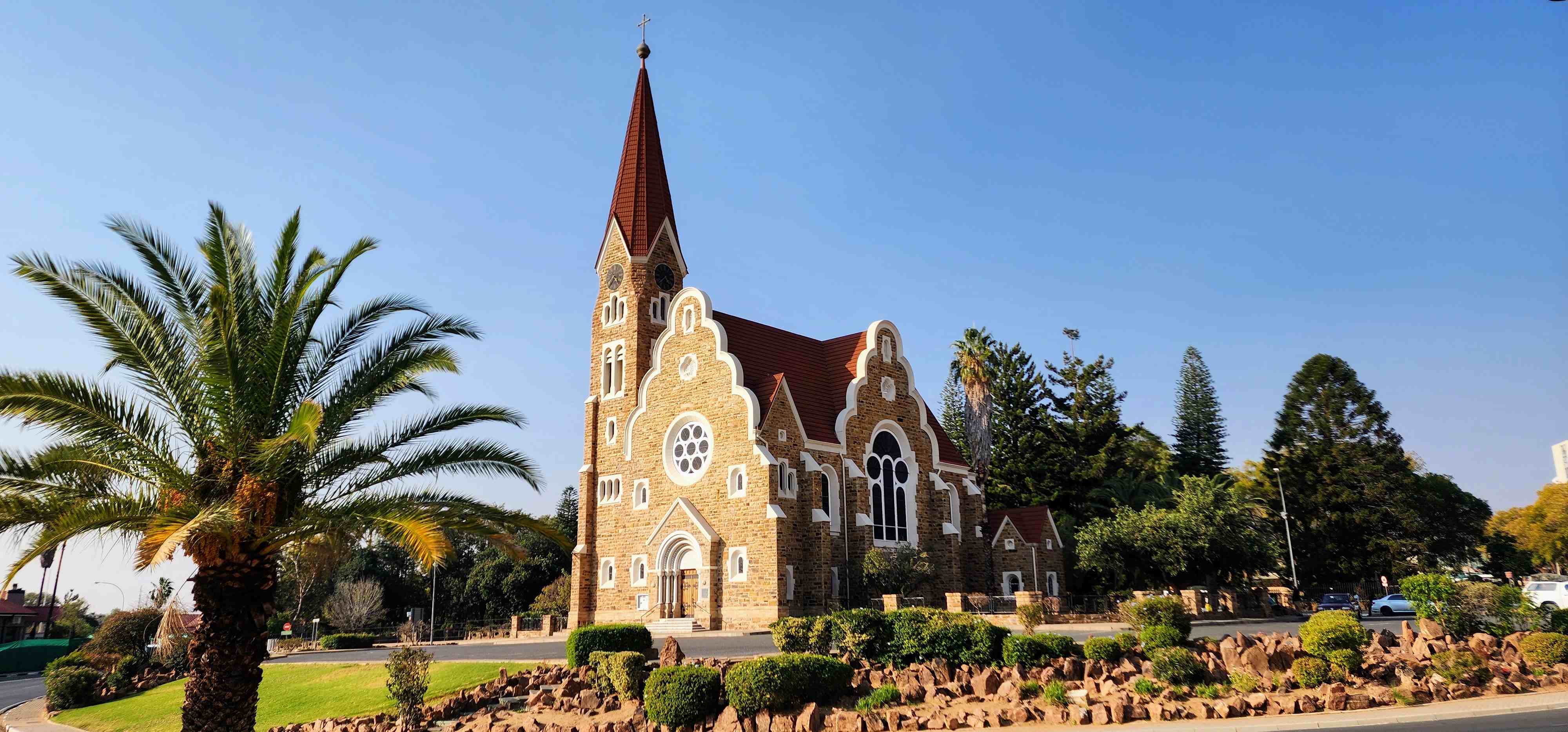
After leaving Johannesburg, the expedition transitioned to Windhoek, Namibia, where preparations for a self-drive adventure began. Namibia, the driest sub-Saharan country, carries a complex history marked by German colonialism and the struggle for independence from South African apartheid, achieved in 1990. Windhoek serves as a gateway to Namibia’s unique landscapes.
-
Exploring Soweto: A Walking Tour Through History
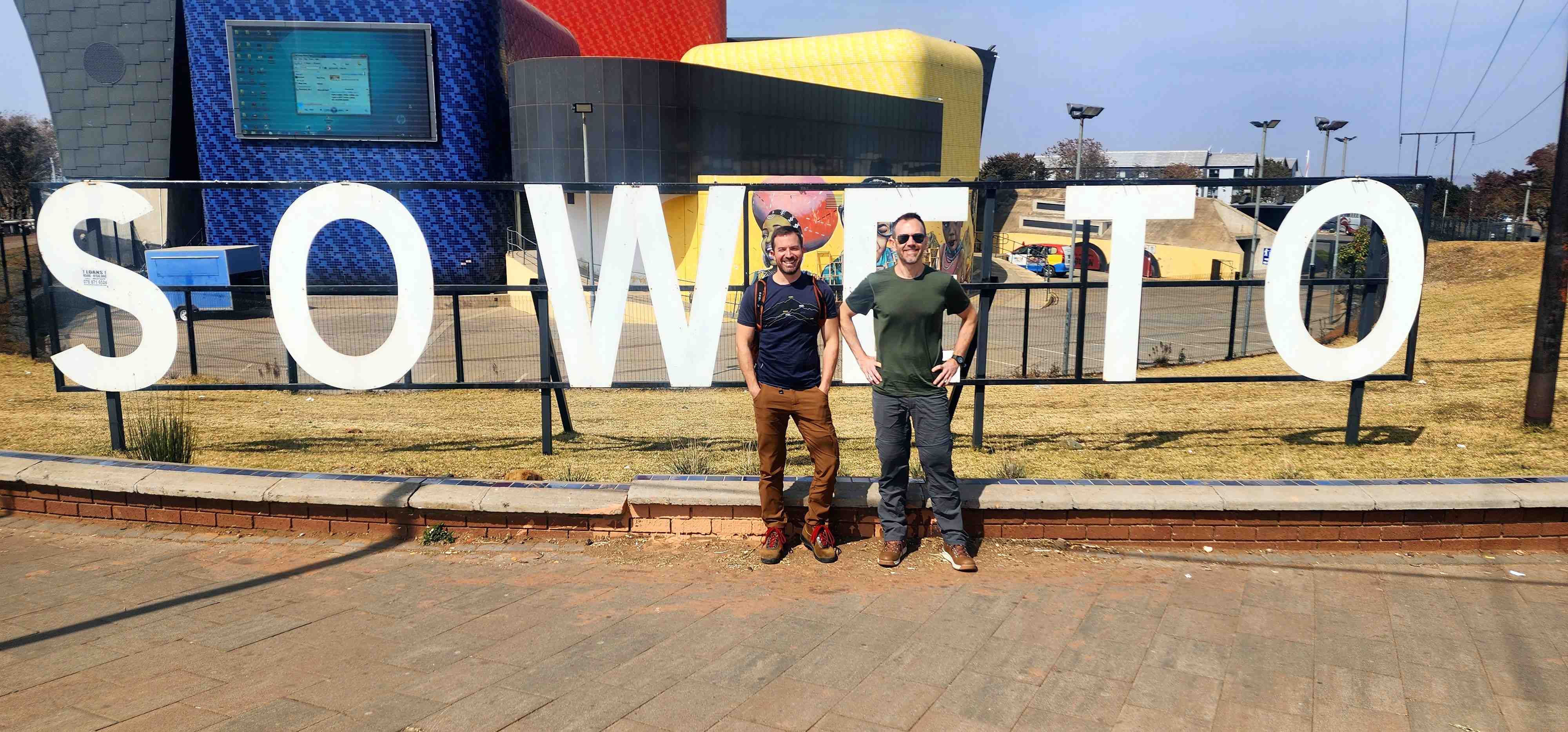
The post recounts a walking tour of Soweto, unveiling its rich history, particularly during apartheid. It details the 1976 Soweto Uprising, where students protested against Afrikaans-only education, leading to police violence and deaths, notably Hector Pieterson’s. The narrative emphasizes Soweto’s resilience, memorials, and its significance as a liberation symbol.