
Before the Union Jack
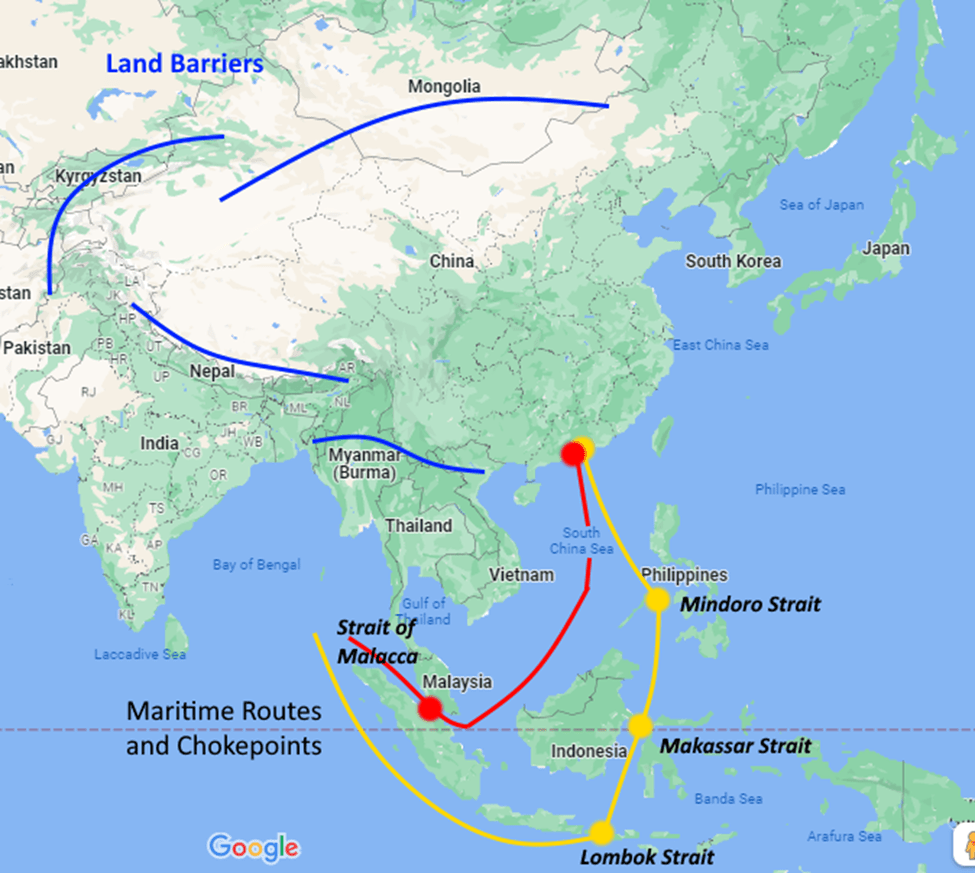
Like much of the vision of the western world, the most common stories of George Town history are taken from after the British arrived to establish a port during the age of colonialism. Before this time, the island of Penang (or Pulau Pinang, meaning “Island of the Betel Nut Palm”) was not a major settlement. It was a sparsely populated, jungle-covered island known primarily to local Malay fishermen, regional traders, and the occasional pirate who utilized its hidden bays. Regardless of the time, the island has a strategic location at the northern entrance of the Strait of Malacca, one of the world’s most vital shipping lanes.
The Arrival of Francis Light (1786)
Modern George Town begins with Captain Francis Light, an English trader and adventurer working for the British East India Company. Light saw the potential of Penang as a trading post and a naval base for Britain to challenge the dominant Dutch presence in the region (Dutch East Indies).
Light negotiated a deal with the Sultan of Kedah, the ruler of the mainland territory opposite the island. The Sultan, facing threats from Siam (modern-day Thailand) and Burma, agreed to cede Penang Island to the British in exchange for military protection. In 1786, Light took formal possession of the island, naming it Prince of Wales Island and established the settlement of George Town in honor of the reigning British monarch, King George III.
A Free Port and Influx of Growth
In an effort to divert traders from the competing regional ports managed by the Dutch, Light established George Town as a free port. This meant there were no duties or taxes levied on goods imported or exported, and this would define George Town’s future destiny as it successfully drew in mass amounts of trade.
George Town became a boomtown as it attracted a diverse and ambitious wave of immigrants seeking opportunity from all corners of the world: Chinese traders (Hokkien), Indian merchants (Tamils), Armenian and Arab traders, Malays, and Europeans. This influx of people, cultures, and religions living and working in a small, dense area is precisely why George Town has such a unique and layered cultural landscape today.
Colonial Jewel of the Straits
George Town quickly became the first and most important British settlement in Southeast Asia. Along with Malacca and Singapore, it formed the Straits Settlements. Throughout the 19th century, it thrived as a major hub for trade. The wealth accumulated in the area is reflected in the magnificent colonial architecture that still defines the city’s historic core, much of which you can explore along the waterfront.
The first structure established was Fort Cornwallis, initially built as a wooden (palm trunks) stockade by Francis Light. It was later rebuilt in brick and stone, attempting to serve as the main defensive structure, though it never fired a shot in battle or seen combat. Rather, the fort served for administrative duties instead. The fort was finally completed in 1810, though Captain Light would pass in 1794 before its completion.

Nearby stand other grand symbols of municipal power:
City Hall and Town Hall: Standing at the waterfront, these buildings served as the center of British administration. The Town Hall was completed in 1883 and more ornate of the two. Originally, it included an assemble hall, library, and a grand ballroom, and later porches and additional wings were added. Town Hall remains the city’s oldest civic building. After Town Hall’s space was deemed insufficient, the adjacent building was built in 1903 and would later be renamed to City Hall in 1957 when the town was granted city status by Queen Elizabeth II. City Hall was built in Edwardian Baroque style, and was the first building in Penang to be fully equipped with electricity.


The Victoria Memorial Clock Tower: This striking tower was a gift to George Town from local Chinese millionaire Cheah Chen Eok to commemorate the Diamond Jubilee of Queen Victoria in 1897. It stands 60 feet tall, with one foot for every year of her reign at that time.

Church of the Assumption is one of the oldest Catholic churches in Malaysia, founded the same year George Town was established (1786) by Eurasian Catholics who arrived with Francis Light. The current, striking white building was consecrated in 1861. (Nearby, you can also find St. George’s Church, the oldest Anglican church in Southeast Asia).

George Town Dispensary: Commercial buildings also reflect the era’s prosperity. Structures like the beautifully preserved George Town Dispensary (1923) highlight the mix of commerce and colonial architecture, often featuring arcades and covered walkways for pedestrian comfort.

The Pioneers’ Resting Place
A quiet but poignant landmark is the Protestant Cemetery. Established in the late 18th century, it is the final resting place for many of the early European pioneers and administrators who shaped George Town’s destiny. Most notable is the tomb of Francis Light, who died just eight years after founding the settlement.


From Decline to World Heritage
After World War II and Malaysia’s independence, George Town’s importance began to fade. The federal government revoked its free-port status in 1969, leading to decades of economic decline.
However, this period of neglect proved to be a blessing in disguise. With little money for new development, the city’s historic buildings were largely left untouched, preserving its unique 19th-century character. This preservation was officially recognized in 2008, when George Town (along with Malacca) was inscribed as a UNESCO World Heritage Site. This sparked a cultural and economic renaissance, celebrating the city’s history and paving the way for creative projects, like the famous street art, that now adorns its walls and remains a draw for tourism.

Today, George Town is a living testament to its own history – a city founded on global trade and immigration, whose past is not just visible in its buildings but is vibrantly alive in its food, its people, and its streets.
Practical Information for Your Visit
The UNESCO Walking Route: The core colonial area is concentrated around the waterfront (near Fort Cornwallis) and is perfect for a self-guided walking tour. Plan for at least 3-4 hours to absorb the architecture.
Colonial Landmarks: Be sure to locate and examine the Town Hall and the City Hall to appreciate the architectural power of the British administration.
Experiencing Legacy: The free port policy directly led to the establishment of the distinct ethnic areas. Don’t miss the historical contrast between the wealthy commercial Hokkien areas and the colorful commerce of Little India.
Hydration: The tropical heat, especially at midday, can be intense. Carry water and take frequent breaks in shaded areas or historic cafes.
Helpful Links
- Read More: Learn more about my time in Penang in my post, Exploring Penang: A Culinary and Cultural Journey.
- Information: History of the Straits Settlements
- Information: Official UNESCO Site for George Town
- History: Melaka and George Town, Historic Cities of the Straits of Malacca


Leave a Reply